
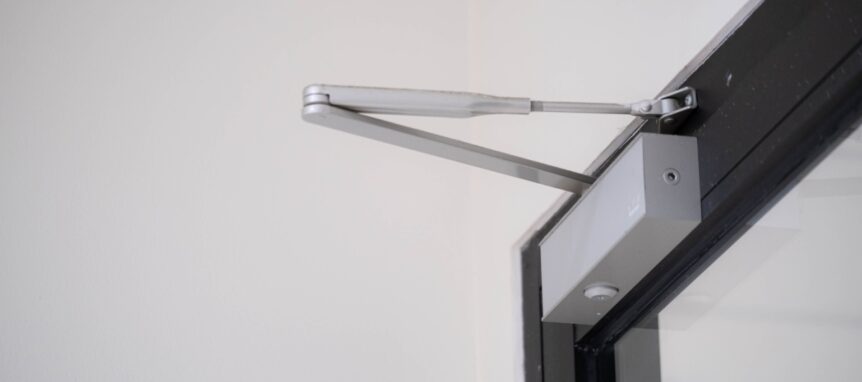
Commercial doors are designed to handle constant daily use while providing safe and reliable access to a building. While many people focus on the door itself, one of the most important components of any commercial door system is the door closer. Often mounted at the top of the door, this mechanical device controls how the door opens and closes. When functioning properly, a door closer helps maintain safety, security, accessibility, and overall system performance. When it begins to fail, however, even a high-quality commercial door can become difficult to operate and potentially unsafe.
Understanding the role of commercial door closers can help business owners recognize their importance and appreciate the value of routine maintenance and professional service.
What Does a Commercial Door Closer Do?
A commercial door closer is responsible for controlling the speed and force of a door as it closes. Rather than allowing a door to swing freely and slam shut, the closer guides it back to the closed position in a controlled manner. This helps protect the door, frame, and surrounding hardware from excessive wear.
Door closers are used on a wide range of commercial doors, including glass storefront doors, office entrances, healthcare facility doors, and many other commercial applications. Their purpose is simple but essential, ensuring doors close securely and predictably after each use.
Improving Building Safety
One of the primary functions of a commercial door closer is to enhance safety. Doors that close too quickly can create a hazard for customers, employees, and visitors. A heavy commercial door that slams shut unexpectedly can cause injuries, especially in busy environments where people are constantly entering and exiting.
Properly adjusted door closers help maintain a safe closing speed and reduce the risk of accidents. This is particularly important in locations such as healthcare facilities, office buildings, and retail stores where individuals of all ages and mobility levels use the entrance throughout the day.
Supporting Accessibility Requirements
Accessibility is a major consideration for modern commercial buildings. Doors should be easy to use without requiring excessive force or creating obstacles for individuals with mobility challenges. A properly functioning door closer helps ensure the door operates smoothly and predictably.
If a closer is adjusted incorrectly or begins to fail, the door may become difficult to open or close too quickly. Either situation can create accessibility concerns and negatively impact the experience of customers and visitors. Routine maintenance helps ensure doors continue to support safe and accessible building access.
Enhancing Security and Controlled Access
Commercial doors play an important role in building security, and door closers are a key part of that system. A door that does not close completely may leave a building vulnerable to unauthorized entry, theft, or other security risks.
Door closers help ensure doors return to the fully closed and latched position after each use. This consistent operation supports access control measures and helps protect the property, employees, and visitors inside the building.
Reducing Wear on Door Components
Without a functioning door closer, commercial doors can experience significant stress. Repeated slamming places strain on hinges, frames, locks, glass panels, and other hardware components. Over time, this can lead to costly repairs and premature replacement of parts.
A properly adjusted closer absorbs much of the force generated during door operation. By controlling movement and reducing impact, it helps extend the lifespan of the entire door system while minimizing maintenance expenses.
Maintaining Professional Appearance and Performance
The condition of a commercial entrance contributes directly to how customers perceive a business. A door that closes smoothly and quietly reflects professionalism and attention to detail. Conversely, doors that slam, stick, or fail to close properly can create a negative impression.
Well-maintained door closers help preserve the overall appearance and functionality of commercial entrances. They allow doors to operate consistently and create a more welcoming experience for customers and visitors.
Common Signs a Door Closer Needs Service
Commercial door closers often provide warning signs when maintenance or repairs are needed. Doors that slam shut, close too slowly, fail to latch properly, or require unusual force to open may indicate closer-related issues. Leaking hydraulic fluid, visible damage, or unusual noises during operation can also signal a problem.
Addressing these issues promptly helps prevent additional damage to the door system and ensures continued safe operation.
The Importance of Professional Maintenance
Commercial door closers require precise adjustment to perform correctly. Settings such as closing speed, latching speed, and opening resistance must be calibrated to match the specific door and environment. Improper adjustments can create safety concerns or accelerate wear on door components.
Professional inspections and maintenance help ensure door closers continue operating as intended. Technicians can identify wear, make necessary adjustments, and replace failing components before larger issues develop.
Keeping Commercial Doors Operating Safely
Commercial door closers may seem like a small part of a door system, but their impact on safety, accessibility, security, and performance is significant. By controlling door movement and protecting critical components, they help businesses maintain reliable and professional entrances every day.
For more information about commercial door repairs, adjustments, and maintenance services, contact Apex Door Solutions. With experience supporting a wide range of commercial properties, Apex Door Solutions helps businesses maintain safe, efficient, and dependable door systems.