
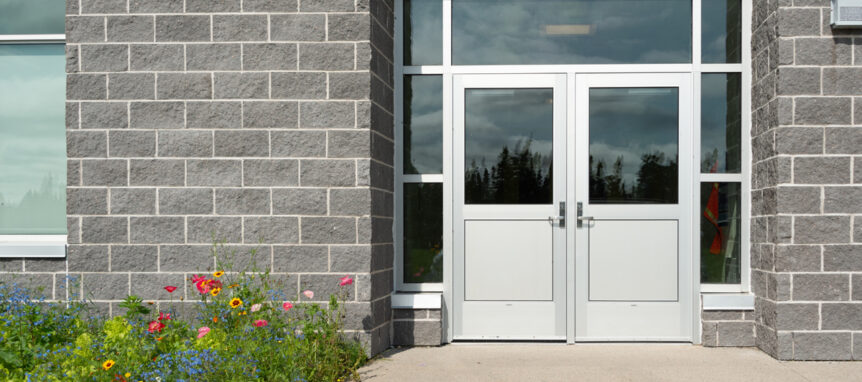
Commercial doors are expected to open smoothly, close securely, and provide reliable access throughout the day. Achieving all three depends heavily on proper alignment. Even a small shift in a door, frame, hinge, or pivot can affect how the entire system performs. For retail stores, healthcare facilities, offices, and other commercial properties, alignment problems can eventually create concerns involving security, accessibility, safety, and everyday convenience.
Recognizing the importance of proper commercial door alignment can help business owners address small problems before they lead to more extensive repairs or disruptions.
What Does Proper Commercial Door Alignment Mean?
A properly aligned commercial door sits correctly within its frame and moves through its full range of motion without dragging, sticking, or making unnecessary contact with surrounding components. When closed, the door should fit evenly within the opening and allow its locking and latching hardware to engage as intended.
Alignment depends on several components working together, including hinges, pivots, frames, closers, and other hardware. If one component becomes loose, worn, or damaged, it can gradually change the position of the door and affect its performance.
How Misalignment Can Affect Building Security
A commercial door is an important part of a building’s security. When a door becomes misaligned, locks and latches may no longer line up correctly. The door might appear closed while failing to latch completely, or employees may have difficulty locking it at the end of the day.
These problems can leave a commercial property more vulnerable to unauthorized access. Continuing to force a misaligned door closed can also damage locking hardware and create additional repair needs. Correcting alignment problems helps ensure security components can perform their intended function.
Alignment Problems Can Create Accessibility Barriers
Commercial entrances should be easy to navigate for customers, employees, and visitors with different mobility needs. Misalignment can increase the amount of force required to open a door or cause it to move inconsistently.
For someone using a wheelchair, walker, or other mobility aid, a door that sticks or requires additional effort can become a significant obstacle. Proper alignment helps commercial doors operate more smoothly and supports an entrance that is safer and easier for everyone to use.
Misalignment Can Affect Door Closers
Door closers are designed to control the movement of a commercial door and return it smoothly to the closed position. If the door is out of alignment, the closer may have to work against additional resistance every time the door operates.
This added strain can affect closing speed and prevent the door from closing completely. Over time, it may also contribute to premature wear on the closer. Correcting the underlying alignment issue can improve door performance while reducing unnecessary stress on other components.
What Causes Commercial Doors to Become Misaligned?
Commercial doors can shift for several reasons. Frequent use gradually wears hinges and pivots, particularly at busy entrances that experience heavy foot traffic. Accidental impacts from carts, equipment, or deliveries can also move a door or damage its hardware.
Building movement and environmental conditions can contribute as well. Florida’s heat, humidity, and changing weather conditions may affect certain door and frame components over time. These factors make periodic inspections especially valuable for commercial properties.
Warning Signs of a Misaligned Commercial Door
Alignment problems often begin gradually. Business owners or employees may first notice that a door is becoming slightly more difficult to open or that it rubs against the frame. Uneven gaps around the door, scraping noises, difficulty locking, and failure to close completely can also indicate an alignment problem.
These warning signs should be addressed rather than treated as normal wear. Continued operation of a misaligned door can place additional strain on hinges, pivots, closers, locks, and frames.
Why Prompt Repairs Can Prevent Additional Damage
When a commercial door is misaligned, forcing it to continue operating can turn a relatively straightforward adjustment into a larger repair. A door that repeatedly drags against its frame can damage both surfaces, while improperly positioned hardware may wear more quickly.
Professional service can determine why the door has shifted and correct the underlying problem. Depending on the cause, repairs may involve adjusting or replacing hinges and pivots, servicing the closer, realigning hardware, or addressing problems with the frame.
Preventative Maintenance Helps Preserve Alignment
Regular commercial door maintenance provides an opportunity to identify subtle alignment changes before they interfere with daily operation. Technicians can inspect hardware, check clearances, evaluate closing performance, and make adjustments when necessary.
Preventative service is particularly useful for high-traffic entrances where components experience constant use. Maintaining alignment can extend the lifespan of the door system while reducing unexpected repair needs and interruptions.
Keeping Commercial Doors Secure and Accessible
Proper commercial door alignment affects much more than whether a door opens and closes easily. It helps locking systems work correctly, supports accessibility, reduces strain on hardware, and contributes to a safer and more reliable commercial entrance. Addressing alignment problems early can protect the door system while helping businesses avoid unnecessary disruptions.
For more information about commercial door alignment, maintenance, or repair services, contact Apex Door Solutions. Apex Door Solutions helps commercial properties maintain secure, accessible, and dependable door systems through professional inspection, adjustment, and repair services.