
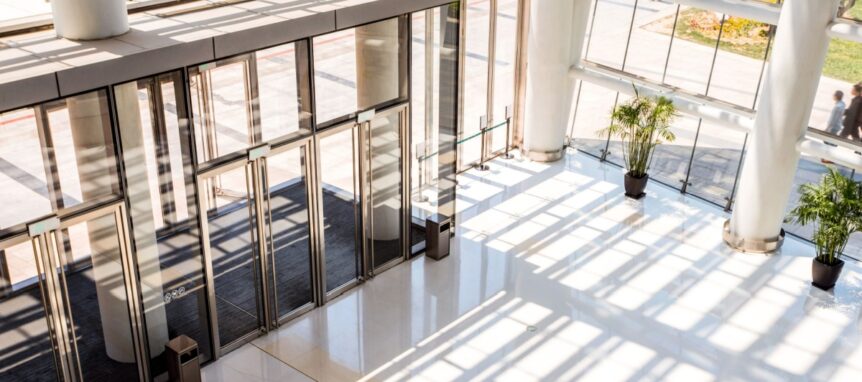
Florida’s climate creates unique challenges for commercial buildings, especially when it comes to glass door systems. In cities like Orlando, commercial doors are exposed to intense heat, high humidity, frequent rain, and sudden temperature changes throughout the year. While commercial glass doors are designed for durability, constant exposure to these environmental conditions can gradually affect their performance, alignment, and long-term reliability.
Understanding how weather and humidity impact commercial glass doors can help business owners recognize potential issues early and maintain safe, efficient entrances.
Florida’s Climate Creates Constant Stress on Door Systems
Commercial glass doors operate in environments where weather conditions can change quickly. High humidity levels combined with heat and moisture place ongoing stress on door frames, hardware, seals, and automatic components. Over time, this exposure can lead to gradual wear that affects how doors open, close, and secure themselves.
Even though many commercial door systems are built with durable materials such as aluminum and tempered glass, they still require routine maintenance to withstand Florida’s demanding climate conditions.
Expansion and Contraction from Temperature Changes
Temperature fluctuations can cause commercial door components to expand and contract throughout the day. Metal frames and hardware are particularly affected by heat exposure, especially during Florida summers when entry doors are exposed to direct sunlight for extended periods.
As materials expand and contract repeatedly, doors may begin to shift slightly within their frames. This can lead to alignment problems, difficulty closing properly, or increased strain on hinges and closers. While these changes may begin subtly, they can worsen over time if not professionally adjusted.
Humidity and Moisture Exposure
Florida’s high humidity levels create another major challenge for commercial door systems. Constant moisture exposure can affect hardware components, door closers, locks, and automatic door mechanisms. Over time, humidity can contribute to corrosion, reduced lubrication effectiveness, and premature wear on moving parts.
Moisture buildup can also impact seals around commercial glass doors. When seals begin to deteriorate, businesses may experience drafts, water intrusion, or reduced energy efficiency. These issues not only affect comfort inside the building but can also place additional strain on HVAC systems.
How Weather Affects Automatic Door Sensors
Automatic commercial doors rely heavily on sensors and electronic systems to operate safely and consistently. Environmental conditions such as humidity, heavy rain, glare, and fluctuating temperatures can interfere with sensor performance if systems are not properly maintained.
In some cases, moisture exposure may affect sensor calibration or electronic components, causing doors to respond inconsistently. Sensors may detect movement too late, remain open longer than intended, or fail to respond correctly altogether. Regular inspections help ensure automatic systems continue operating reliably despite changing weather conditions.
Wind Pressure and Door Operation
Strong storms and changing weather patterns are common throughout Florida, especially during hurricane season. Wind pressure can place additional force on commercial glass doors, particularly at building entrances exposed to outdoor elements. Repeated exposure to heavy winds may gradually affect alignment, hinges, and door closers.
Doors that are already slightly misaligned may experience even greater strain during severe weather. Professional adjustments and preventative maintenance help reinforce proper operation and reduce the likelihood of long-term damage.
Increased Wear from Heavy Seasonal Traffic
Florida businesses often experience periods of increased traffic from tourism, seasonal activity, and large events. Commercial glass doors in retail centers, hotels, medical offices, and office buildings may cycle open and closed thousands of additional times during busy periods.
Combined with environmental exposure, this increased usage accelerates wear on moving components. Hinges, pivots, sensors, and closers may require more frequent adjustment and servicing to maintain reliable operation.
Preventing Weather-Related Door Problems
Routine preventative maintenance is one of the most effective ways to protect commercial glass doors from Florida’s climate conditions. Professional inspections allow technicians to identify alignment issues, worn seals, hardware corrosion, and sensor inconsistencies before they become major problems.
Regular servicing may include adjusting closers, lubricating components, recalibrating automatic systems, and inspecting glass and frames for signs of stress or damage. Addressing these issues early helps extend the lifespan of commercial door systems while reducing the risk of unexpected failures.
The Importance of Professional Commercial Door Service
Because Florida weather places unique demands on commercial doors, professional service is essential for long-term performance. Commercial door systems require precise adjustments and specialized knowledge to ensure they continue operating safely and efficiently under changing environmental conditions.
Experienced technicians understand how humidity, heat, and heavy usage affect different components and can recommend the right maintenance and repair solutions for each property.
Protecting Commercial Glass Doors Year-Round
Commercial glass doors are a critical part of daily business operations, and Florida’s climate can have a significant impact on their performance over time. From humidity and moisture exposure to heat expansion and storm-related stress, environmental conditions place constant demands on commercial entry systems.
For more information about commercial glass door maintenance and repair services, contact Apex Door Solutions. With experience supporting commercial properties throughout Florida, Apex Door Solutions helps businesses keep their door systems operating safely, efficiently, and reliably year-round.