
Commercial doors are one of the most important yet often overlooked components of a building’s overall safety and security strategy. Every day, these doors control how people enter and exit a space, protect occupants and assets, and help maintain order in high-traffic environments. For businesses, a properly designed and well-maintained commercial door system is not just a convenience, it is a critical layer of protection that supports both safety and operational continuity.
First Line of Defense for Commercial Properties
Commercial entry doors serve as the primary barrier between a business and the outside world. Whether the building is a retail store, medical facility, or office complex, doors must be strong enough to deter unauthorized access while still allowing smooth, controlled entry for customers and staff. The quality of door materials, frames, and hardware directly impacts how well a building is protected.
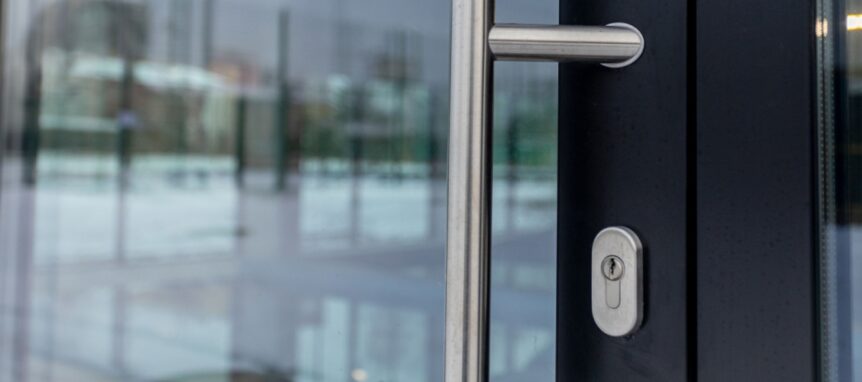
Glass commercial doors, when paired with reinforced frames and proper locking systems, offer a balance of visibility and security. While they create an open and inviting appearance, modern glass and hardware options are designed to withstand impact and resist forced entry. When installed correctly, these systems help protect businesses without sacrificing aesthetics.
Controlling Access and Reducing Risk
Safety and security depend heavily on controlled access. Commercial doors help regulate who can enter a building, when they can enter, and how they move through the space. Reliable locks, closers, and access control components ensure doors close securely after each use and do not remain open unintentionally.
In busy commercial environments, doors that fail to latch properly or close too slowly can create security gaps. These issues may seem minor, but over time they increase the risk of theft, vandalism, or unauthorized entry. Consistent door performance plays a key role in minimizing these vulnerabilities.
Supporting Emergency Egress and Occupant Safety
Commercial doors are also essential during emergency situations. In the event of a fire, medical emergency, or evacuation, doors must operate predictably and allow occupants to exit quickly and safely. Improperly adjusted closers, misaligned frames, or malfunctioning automatic systems can delay evacuation and create dangerous conditions.
Automatic and assisted doors must be calibrated to respond appropriately in emergency scenarios. Clear pathways, reliable opening mechanisms, and unobstructed exits all contribute to safer outcomes when seconds matter. Maintaining these systems ensures doors support, rather than hinder, emergency response efforts.
The Role of Automatic Doors in Safety
Automatic commercial doors contribute significantly to building safety when properly installed and maintained. Sensors help prevent doors from opening or closing at unsafe times, reducing the risk of impact-related injuries. These systems are especially important in healthcare facilities, retail spaces, and other environments where individuals may move slowly or require assistance.
However, automatic doors rely heavily on precise calibration. Sensors that are misaligned or worn can create unexpected behavior, such as delayed opening or premature closing. Regular professional service helps ensure automatic doors continue to operate safely and reliably.
Maintenance as a Security Measure
Routine maintenance is one of the most effective ways to protect building safety and security. Over time, commercial doors experience wear from constant use, environmental exposure, and accidental impact. Hinges loosen, closers drift out of adjustment, and locking mechanisms wear down.
Addressing these issues early prevents small problems from escalating into security risks or safety hazards. Professional inspections identify vulnerabilities, ensure doors close and lock correctly, and keep systems operating as designed. A well-maintained door is far less likely to fail when it is needed most.
Industry-Specific Safety Considerations
Different types of commercial buildings place unique demands on door systems. Retail environments require doors that can handle steady foot traffic while remaining secure after hours. Healthcare facilities depend on doors that balance controlled access with fast, safe movement of patients and staff. Office buildings often require a combination of security and accessibility to support daily operations.
Tailoring door solutions to each environment ensures safety measures align with real-world use. One-size-fits-all approaches rarely provide adequate protection across different industries.
Investing in Long-Term Protection
Commercial doors are a long-term investment in building safety and security. When chosen thoughtfully and serviced regularly, they help protect people, property, and business operations. Reliable doors reduce liability, support compliance requirements, and contribute to a safer environment for everyone who enters the building.
For business owners and property managers, prioritizing professional installation and maintenance is a proactive step toward risk reduction and operational stability.
Strengthening Safety Through Professional Support
Commercial doors play a central role in how safe and secure a building truly is. From controlling access to supporting emergency response, their performance affects every aspect of daily operations. For more information about improving the safety and security of your commercial door systems, contact Apex Door Solutions. With experience servicing a wide range of commercial properties, Apex Door Solutions helps businesses maintain secure, dependable entrances that support long-term building safety.